
Rethinking Collaboration in Creative Fields
In today’s rapidly evolving work environment, creativity is often viewed as a solitary endeavor. However, the reality is far from this notion. As businesses and creative teams strive to innovate and streamline their processes, the need for effective collaboration has become paramount. Everybody On Deck emerges as a transformative platform that recognizes the power of teamwork in enhancing creativity and productivity. By providing specialized tools for project management and communication, Everybody On Deck redefines how creative professionals engage with one another, resulting in elevated outcomes that drive projects to success.
The essence of collaboration lies in shared ideas and diverse perspectives. Every member within a team brings unique skills and insights that can significantly influence the project’s direction. However, traditional approaches to teamwork often fall short, leading to inefficiencies and impeding progress. Everybody On Deck has sought to address these challenges by creating an environment where collaboration flourishes. In this article, we will delve deeper into how this platform facilitates innovative creative production, helping teams tap into their collective potential.
Innovative Features Enhancing Group Synergy
At the heart of Everybody On Deck are features designed to enhance group productivity and foster an inclusive culture where every voice matters. The platform’s user-friendly interface simplifies project management, allowing teams to create, assign, and track tasks with ease. This clarity not only improves accountability but also enables team members to focus more on their creative contributions rather than getting bogged down by administrative tasks.
Effective communication is crucial in any collaborative project, especially within creative sectors where ideas evolve rapidly. Everybody On Deck integrates messaging tools that facilitate real-time discussions, ensuring that everyone stays on the same page throughout the project’s lifecycle. Furthermore, its ability to centralize project-related documents fosters easier access to vital information, thus minimizing confusion related to version control or misplaced files.
Additionally, the platform’s scheduling capabilities aid creative teams in coordinating their efforts effectively. By allowing users to share availability and set deadlines collectively, Everybody On Deck ensures that workflow remains uninterrupted while accommodating diverse working styles. As a result, team dynamics enhance significantly as members feel empowered to contribute optimally without the stress of miscommunication or scheduling conflicts.
To exemplify the effectiveness of this platform, consider a situation where a design team is brainstorming ideas for a new marketing campaign. Using Everybody On Deck, they can engage in real-time discussions while sharing visual assets and drafts seamlessly. The iterative feedback loop facilitated by the platform accelerates creative development, leading to designs that reflect a collective vision rather than isolated concepts.
Reflecting on these functionalities, it becomes evident why organizations are increasingly gravitating toward collaborative solutions like everybodyondeck-prod.com. By equipping teams with adequate tools tailored specifically for creative processes, they can unlock new levels of ingenuity that were previously unattainable in more traditional settings.
Building a Culture of Collaboration
To truly leverage the benefits of Everybody On Deck, organizations must cultivate a culture that embraces collaboration at its core. This involves recognizing the importance of input from all employees and fostering an environment where experimentation and creativity thrive without fear of failure.
Management plays an essential role in nurturing such a culture by encouraging open discussions and recognizing team achievements regularly. When leaders actively participate in collaborative efforts using platforms like Everybody On Deck, they set a precedent for their teams; this encourages members to contribute more confidently and assertively toward shared goals.
Moreover, training sessions can be invaluable in introducing team members to best practices for using collaborative tools effectively. By providing practical knowledge on maximizing features within Everybody On Deck, organizations ensure their teams feel equipped and inspired to collaborate efficiently.
As creative projects become increasingly multifaceted and require input from various disciplines, organizations that adapt quickly to these changing dynamics will find themselves at an advantage. The integration of Everybody On Deck in everyday workflows symbolizes not just a change in tools but rather an evolution toward valuing creativity through collaboration.
In conclusion, embracing collaboration through innovative platforms like Everybody On Deck is imperative for creative teams looking to maximize their full potential. As they utilize its features effectively while fostering constructive communication among members, they pave the way for innovative thought processes and unparalleled outputs. In our interconnected world, understanding how to harness technology for collective benefit is key in navigating today’s challenges while building strong foundations for future projects.
Essential Skills for Successful Collaboration
To thrive in a collaborative environment, creative professionals must cultivate a diverse set of skills that enhance teamwork and group dynamics. Key competencies include effective communication, emotional intelligence, and adaptability. Communication goes beyond merely sharing ideas; it involves active listening, providing constructive feedback, and ensuring clarity in messaging. This fosters an atmosphere where team members feel valued and understood, leading to better collaboration.
Emotional intelligence is vital as it allows team members to navigate interpersonal relationships judiciously and empathetically. By recognizing and responding to the emotions of others, teams can create a supportive climate conducive to creative brainstorming. Lastly, adaptability ensures that teams can dynamically shift focus and strategies in response to new challenges, making collaboration more resilient and responsive to the ever-changing demands of projects.
The Role of Leadership in Fostering Collaboration
Leadership plays a critical role in cultivating a culture of collaboration. Leaders set the tone by modeling collaborative behavior, promoting openness, and encouraging risk-taking. When leaders actively engage in collaborative activities, they demonstrate the importance of working together towards shared goals, thus inspiring their teams to follow suit.
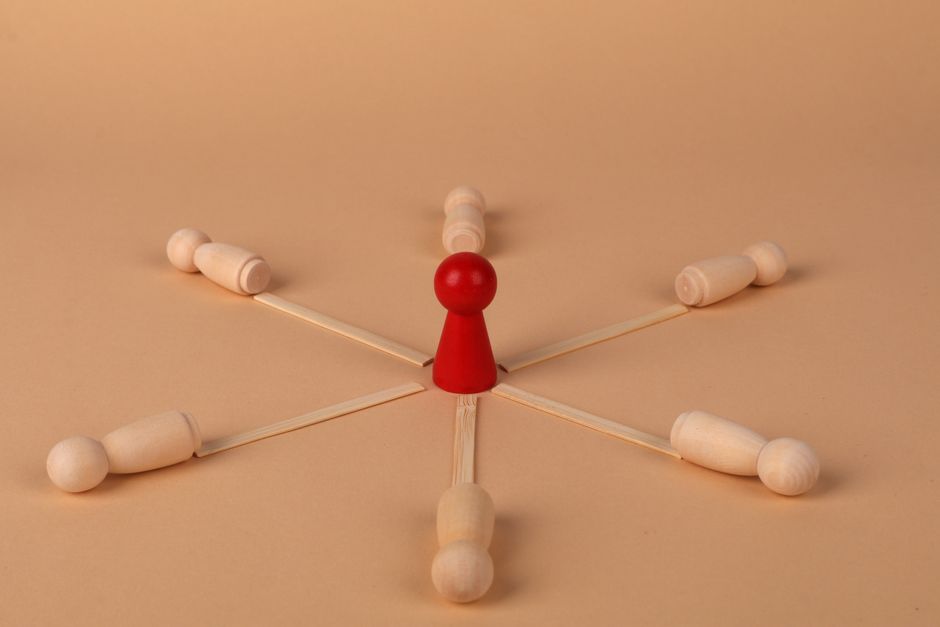
Moreover, effective leaders recognize and leverage individual strengths within their teams. By aligning tasks with each member’s expertise, they can enhance team efficiency and satisfaction. Facilitating regular check-ins and collaborative sessions helps maintain momentum and accountability while allowing for adjustments based on team feedback — an essential aspect of nurturing a thriving creative ecosystem.
